
Who am I as a designer?
I am a designer with conviction. I believe design can shift how people think and interact with the world.
I used to frame my work around fitting into existing habits, but what I actually care about is introducing new ways of engaging with the world without making people feel forced. Ease of adoption matters to me — not because I want change to go unnoticed, but because I believe difficulty shouldn't be the barrier between people and something genuinely better.
I am drawn to AI not for its novelty, but because it opens new questions about how humans learn, think, and communicate. I prefer intelligence that integrates quietly into life — but I now understand that "quiet" must never mean invisible in ways that remove agency.
As a designer, I think at the ecosystem level — products, behaviors, systems, business context — should depict the whole picture for the user. I design toward a vision. I make choices about what effort is meaningful, what friction is worth keeping, what change is worth introducing. I bring people somewhere — gently, but deliberately.
The Trend of the World
What I tend to notice is the moment before a new behavior becomes normal. That liminal space where something unfamiliar is starting to feel inevitable — but hasn't quite settled yet. I'm drawn to that zone.
What's most important to me and how it should be shown in my work?
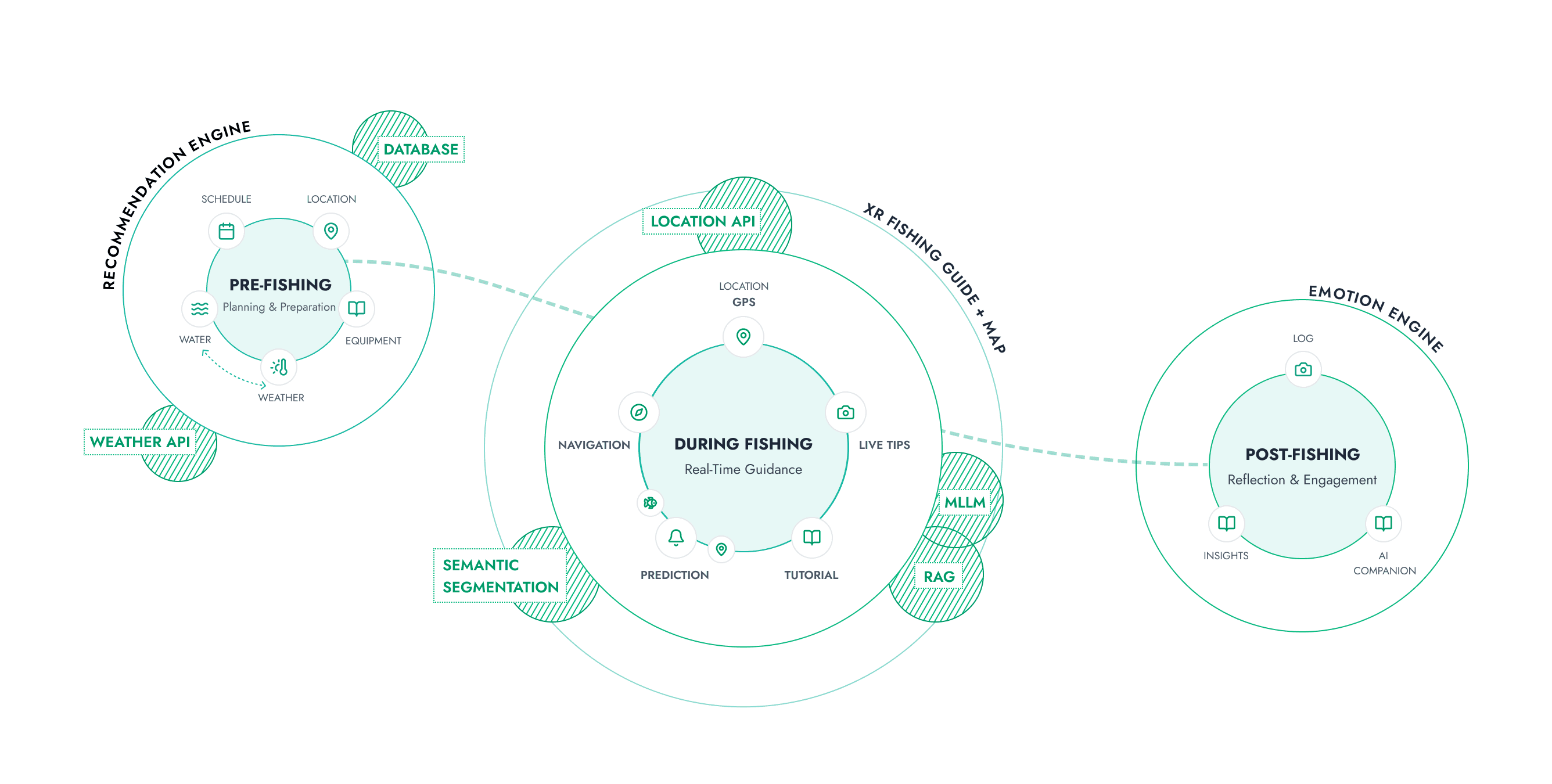
My craft isn't about making individual screens work well. It's about designing systems that hold together — and in holding together, quietly shift how people relate to what they're doing.
That starts with structural integrity. Every component I touch has to resonate with the larger architecture around it. Product logic and user experience aren't separate concerns — they're the same thing viewed at different scales, and I refuse to let them drift apart.
It extends into feedback consistency. Every action a user takes produces a response, and that response is either building a mental model or eroding one. I care about making those responses predictable, legible, and cumulative — so that over time, the system teaches people something true about how it works.
And it shows up in how I document and defend decisions. I don't present screens; I present behavioral rules, state logic, and the trade-offs I made consciously. Because craft, to me, means being able to explain not just what the system does, but why it's structured to do it that way — and what that structure makes possible for the person using it.
The goal was never to make one interaction smoother. The goal is to design something coherent enough, and honest enough, that it changes the way people expect things to work — and raises what they're willing to accept.
